- Whether liposuction in Miami is safe for you depends on three things: you, your surgeon and the facility.
- Any surgical procedure comes with some risk, so you should know what the potential complications are, and your doctor should be walking you through all of that before you go in.
- When it comes to your surgeon, “board certified” basically means they’ve finished the proper accredited training, passed rigorous examinations, and keep up with ongoing standards for patient safety.
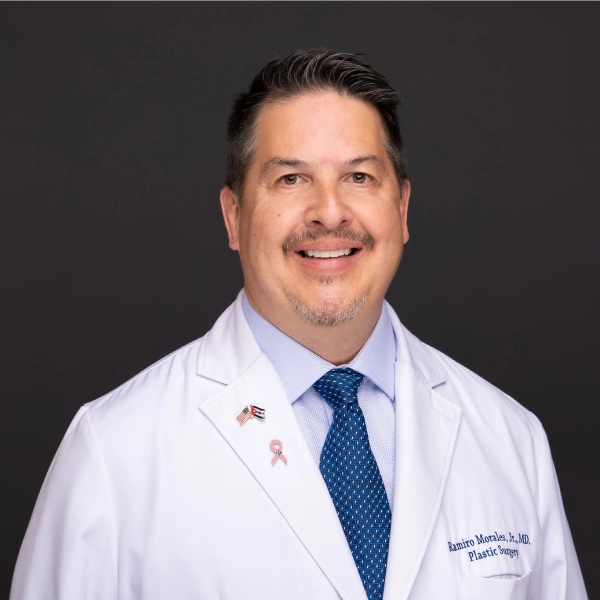
- As for Dr. Ramiro Morales, he’s a Fellow of the American College of Surgeons and is certified by the American Board of Plastic Surgery. He has practiced plastic surgery in South Florida for more than 27 years.
- Good candidates are those who are near a stable, healthy weight, in good general health, and non-smokers.
- Always follow the post-operative instructions as directed to get the best possible result.
Liposuction is one of the most common plastic surgery procedures today. As a board-certified plastic surgeon who performs liposuction surgery in Miami, Dr. Ramiro Morales hears these questions from patients every day regarding the safety and processes of liposuction. In this article, The Plastic Surgeon Miami is going to answer your questions and break down exactly how liposuction works, how long it takes to recover, how safe it is, and what results you can expect.
Is Liposuction Safe?
It’s not a simple yes or no question here, because quite a few things need to come together. First, the patient has to be near a stable, healthy weight and in good general health. Also, the surgeon should be certified and trained, and the surgery should be performed in an accredited surgical facility.
Your consultation at The Plastic Surgeon Miami is where things begin. Dr. Morales goes through your health history and your goals, and from there he decides with you whether liposuction, or a combination of procedures, is the right choice. Throughout the process, patient safety comes first, and the aim is smooth contours that look natural.
Liposuction Risks and Possible Complications
Is liposuction dangerous? Every surgery carries some risk. Your surgeon should be upfront about everything so you know exactly what you’re signing up for. Don’t be afraid to ask for a full list of liposuction risks and liposuction complications, and, more importantly, how the medical team actually handles them if something comes up.
Some swelling, bruising and discomfort are normal during recovery. Swelling and bruising will show up in the first few days. That’s what the compression garments are for, since they help reduce the swelling and support healing.
Here are some common risks factors associated with the surgery that you should be aware of, such as-
- Infection
- Bleeding
- Contour irregularities
- Fluid buildup
- Numbness
- Blood clots
- Anesthesia risks
However, during your consultation with Dr. Morales, he would explain everything clearly to you, and share a guideline as well to prepare you for the surgery. Once the surgery is completed, you will receive special care instructions from him that you must follow to avoid any unnecessary risks, and to ensure proper healing.
Why Board Certification Matters
Checking credentials is one of the most practical steps you can take. Board certification means a plastic surgeon has completed accredited surgical training, passed rigorous examinations and keeps meeting ongoing standards for education, ethics and patient safety. It does not guarantee a particular outcome. It does confirm formal, verified training in the procedures being performed.
Dr. Morales has been practicing right here in South Florida for over 27 years.
He got his medical degree from the University of South Florida College of Medicine and did his general surgery residency at the University of Illinois at Chicago. He has also served as Vice Chief of Surgery at Memorial Hospital West.
As for his credentials, certified by the American Board of Plastic Surgery. He’s also a Fellow of the American College of Surgeons (F.A.C.S.) and a member of the American Society of Plastic Surgeons (ASPS).
You can check any surgeon’s certification yourself, including Dr. Morales’, on the American Board of Plastic Surgery website.
Who Is A Good Candidate For Liposuction?
How safe is liposuction surgery for you in particular? Whether you’re the right candidate is very important here. It is not a weight-loss surgery, it is a procedure that reshapes the body. The best candidates for liposuction are those who have already put in a measure of effort through diet and exercise and seek to get rid of stubborn fat deposits that will not budge no matter how much time they put in the gym.
A good candidate is characterized by the following-
- A normal body weight range
- Skin that is firm and elastic and can adjust to the new contour of the body
- Adults with good general health and non-smoker status
- One or more specific areas of stubborn fat, but not diffuse weight to lose
- People with good muscle tone and high skin elasticity
- Adults who have realistic expectations for the outcome
Once candidacy is confirmed, Dr. Ramiro Morales puts together a plan based on where you want the fat removed and the kind of look you’re going for. He’ll first figure out what’s actually realistic for your body and what can be done safely, then he’ll walk you through your options.
Liposuction Techniques and Safety
Liposuction is a procedure where excess fat is removed through a thin, hollow tube called a cannula. Your surgeon inserts the cannula through small incisions in your skin and uses suction to get rid of unwanted fat. Common liposuction techniques include:
Tumescent liposuction is the standard technique. A solution of saline, lidocaine and epinephrine is injected first to numb the area and reduce bleeding.
Power-assisted liposuction (PAL) uses a vibrating cannula to break up fat for easier removal.
Ultrasound-assisted liposuction (UAL) and VASER liposuction liquefy fat cells using ultrasonic vibrations.
Laser-assisted liposuction (LAL) uses laser energy to melt fat.
Recovery and Safety Tips
After liposuction you will be wrapped with elastic bandages or a compression garment to reduce bruising, swelling, and pain. Depending on the area fat was removed, you may have to keep the wrap on for three to four weeks. Temporary side effects include:
- Swelling
- Bruising
- Numbness
- Soreness or tenderness
- Lumpiness or uneven texture
If these side effects last longer than the recommended period or worsen over a few weeks, you should contact your doctor immediately.
Most people are able to return to their desk jobs and light chores after about a week or two. By the 5-to-6-week point, you should be able to resume your workout regimen if Dr. Morales says so.
It’s important to remember that liposuction results need to be maintained with a healthy diet and exercise.
Questions to Ask Your Surgeon Before Liposuction
If you have decided to undergo the liposuction surgery, you should gain clarity regarding the important aspects of the procedure. When you consult with a qualified, experienced surgeon, you must ask a couple of questions to clarify all your doubts. Here’s what you should ask your surgeon.
Credentials: Learning about the qualifications of the surgeon is important. Dr. Ramiro Morales is certified by the American Board of Plastic Surgery, and a Fellow of the American College of Surgeons (F.A.C.S.) and a member of the American Society of Plastic Surgeons (ASPS).
Facility accreditation: Next, you must enquire about the facility you would be operated in, whether it has the essential accreditations.
Anesthesia: Before the surgery, you must ask the surgeon about the anesthesia process, and whether a local anesthesia would be applied. It would help you be prepared for the surgery.
Complication plan: Another important question to ask would be regarding the complication plan. What plan they have to deal with any medical emergency that might arise during or immediately after the procedure.
Revision policy: If you need a touch-up after surgery, what would the timeline be? Discussing this before your surgery helps you make an informed decision.
Frequently Asked Questions
What complications should I watch for after liposuction?
Call our office right away if you have a fever, redness that keeps spreading, pain that gets worse instead of better, or a swollen, fluid-filled area. If you have chest pain, shortness of breath, or sudden swelling and pain in one leg, go to the nearest emergency room.
Can fat come back after liposuction?
The fat cells removed don’t grow back, but the remaining fat cells can still grow if you gain weight. Keeping a stable weight protects your result.
Is liposuction a weight-loss surgery?
No. Liposuction removes stubborn fat in specific areas and reshapes the body. It works best for people already close to a stable, healthy weight.
Schedule Your Liposuction Consultation in Miami
If you are still asking whether liposuction is safe for your body, a consultation is the best next step. Dr. Morales will review your health history, explain your options and answer your questions. You can read more about liposuction in Miami or about Dr. Ramiro Morales, then call (954)-450-6594 to book.