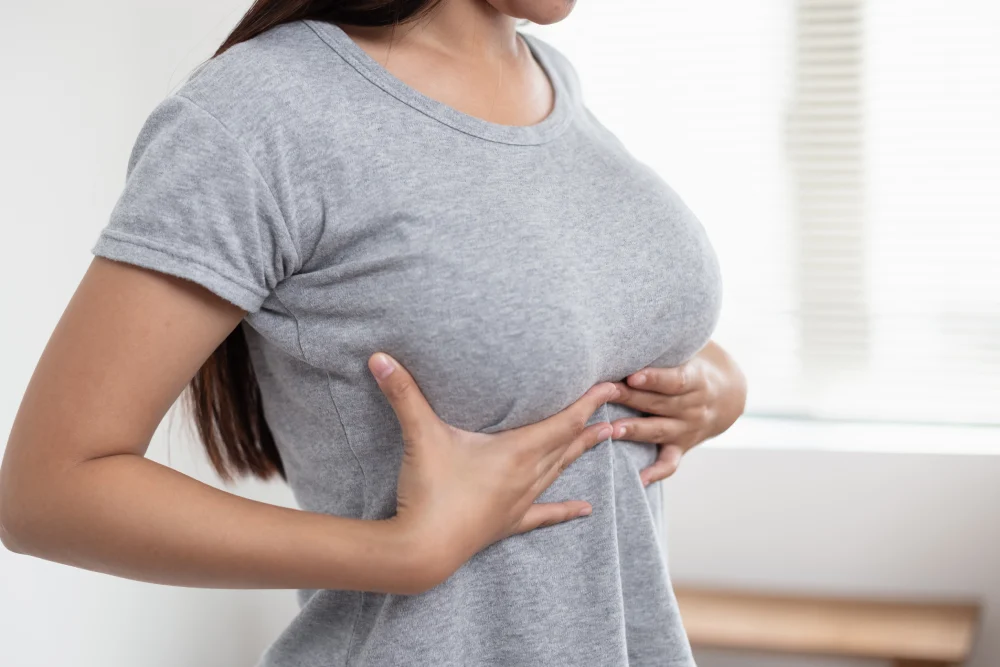
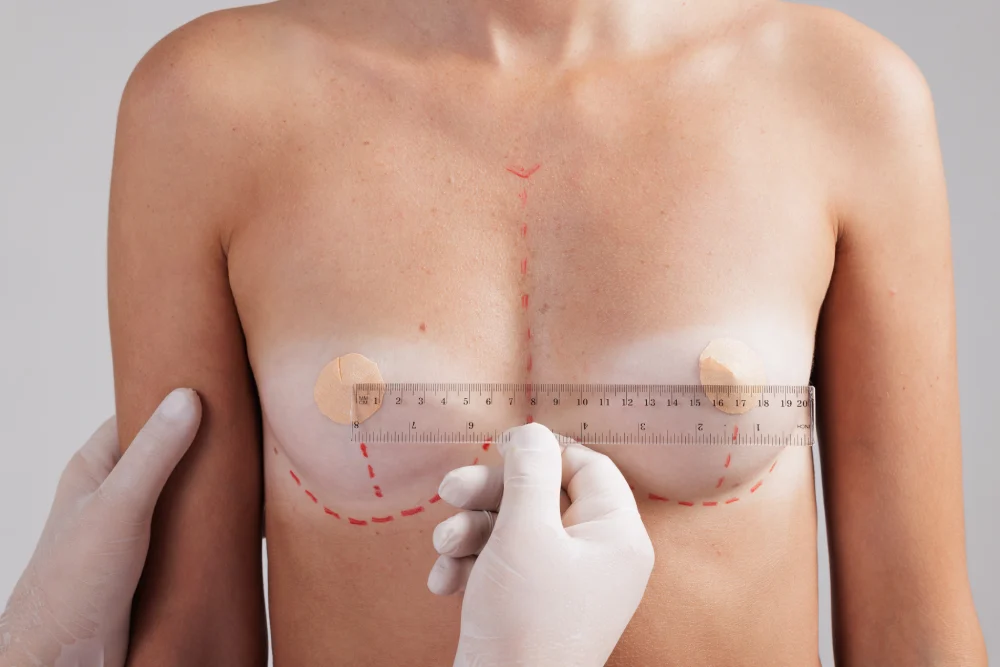
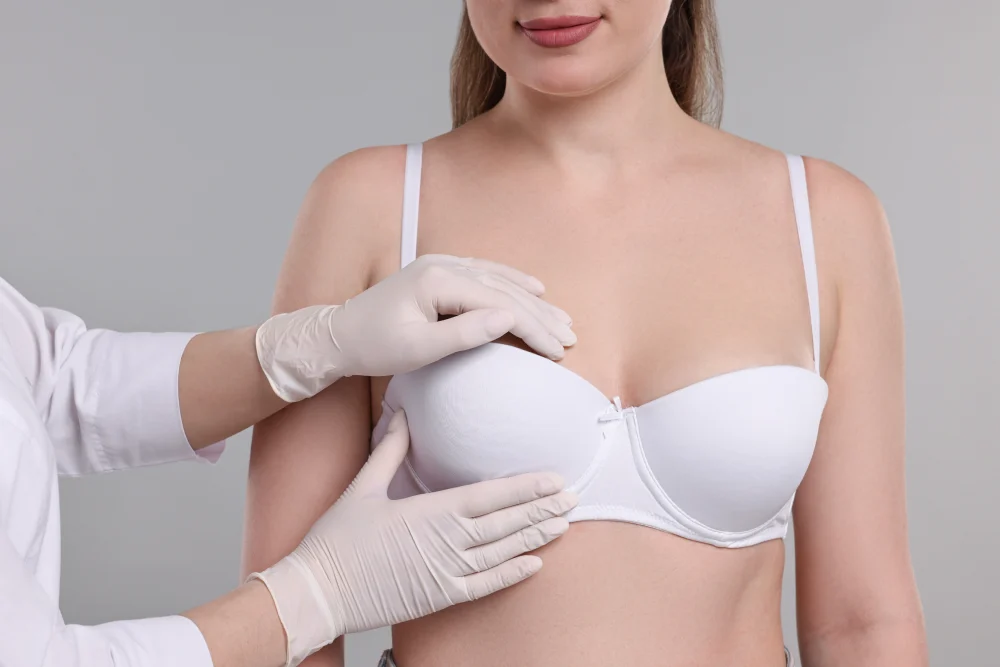
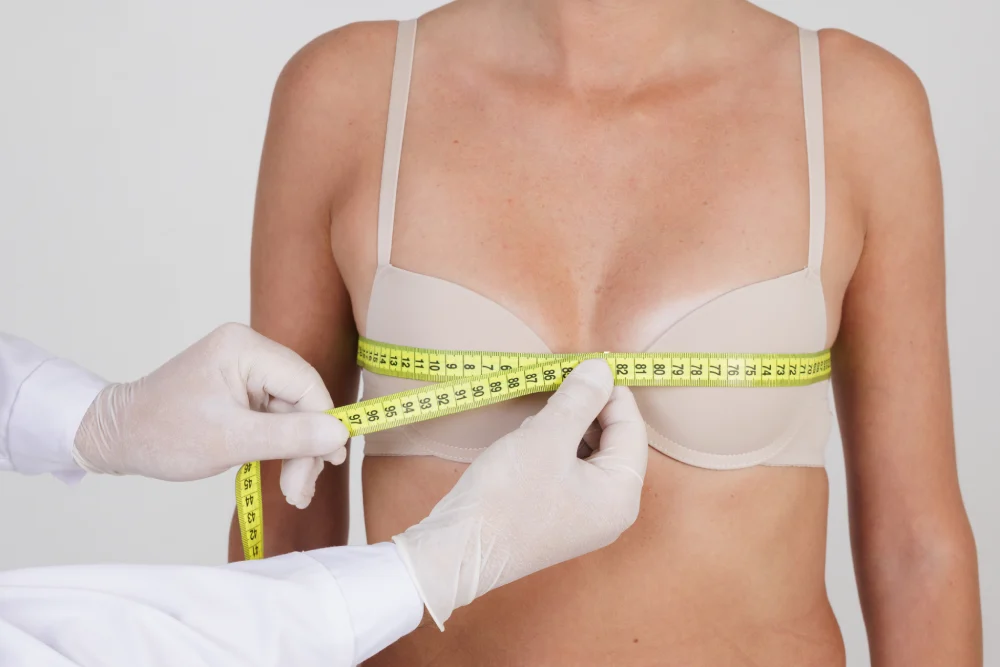
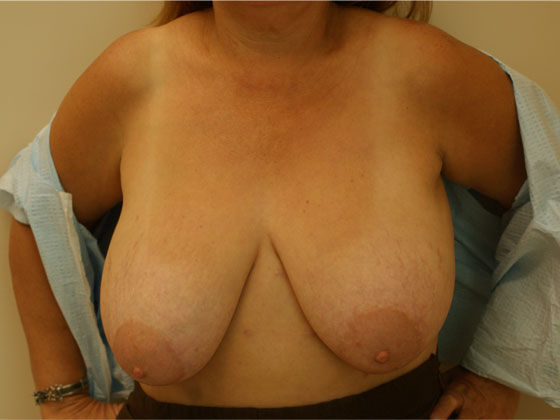
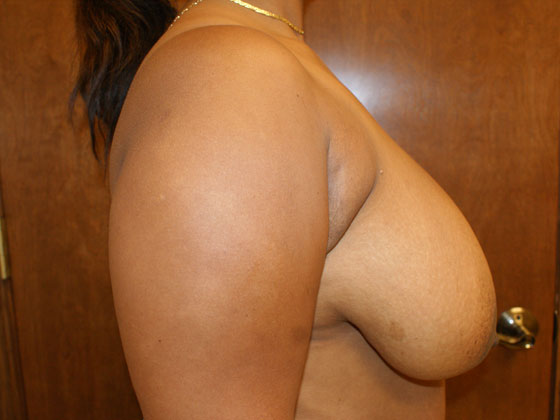
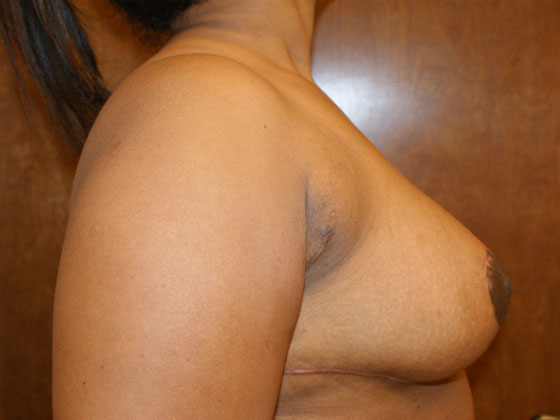
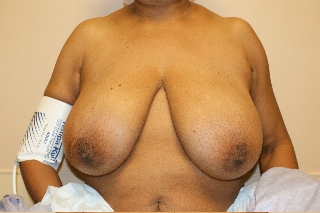
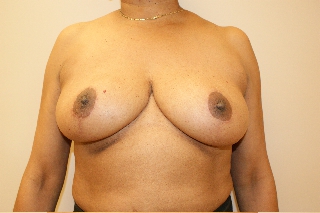
Women with large, heavy breasts often experience discomfort. The issues might be
Back, neck, and shoulder pain
Skin rashes or soreness under the breasts
Deep marks from bra straps
Trouble finding clothes that fit well
Difficulty walking, running, or exercising
Discomfort during daily tasks
Poor posture due to breast weight
Struggling to sleep comfortably
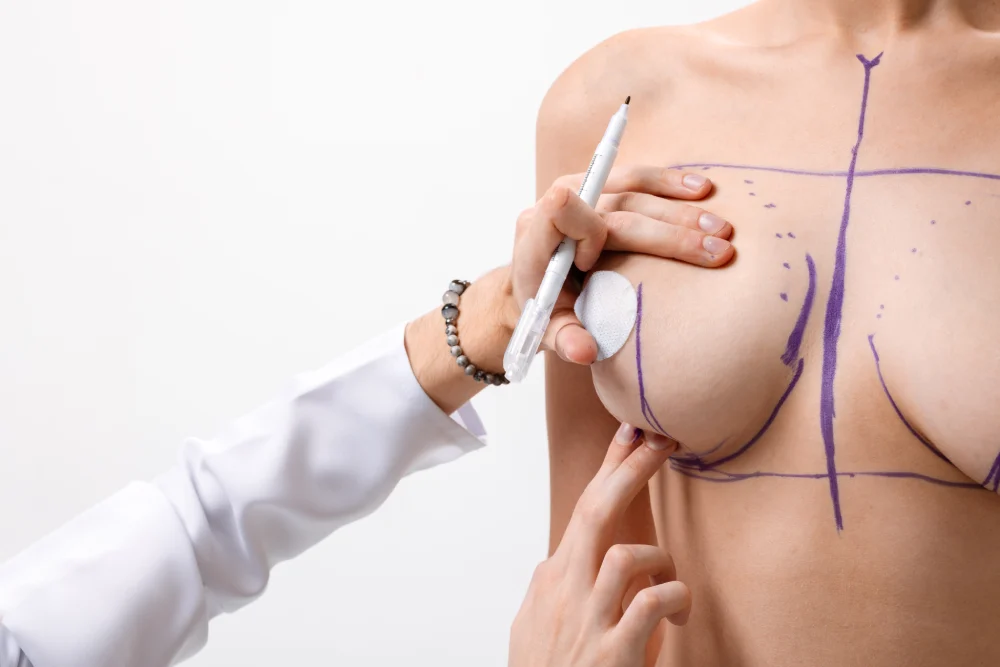
Breast reduction surgery in Miami (reduction mammaplasty) removes extra breast tissue, fat and skin to make your breasts smaller, lighter and lifted. For many women, that means less back and neck pain and more freedom to exercise. At The Plastic Surgeon Miami, Dr. Ramiro Morales will create a personalized treatment plan for you.
Breast Reduction Surgery: Risks and Safety
Like any surgery, breast reduction procedure too comes with risks. Possible risks include:
Scarring where the incisions are made
Changes in nipple sensation
An effect on your ability to breastfeed
Asymmetry between the breasts
Wound-healing issues
Risks linked to anesthesia
It is important for you to understand the risks before you undergo this procedure, as it would help you be prepared for the surgery. Dr. Ramiro Morales explains the risks associated with the process during the initial consultation.
Choosing a board-certified surgeon and the right facility is one of the most important steps you can take for your safety. Following the post-surgery care tips is also essential for a smooth recovery.
Every patient has unique needs, a consultation with Dr. Morales can help you make the right decision.
Anesthesia
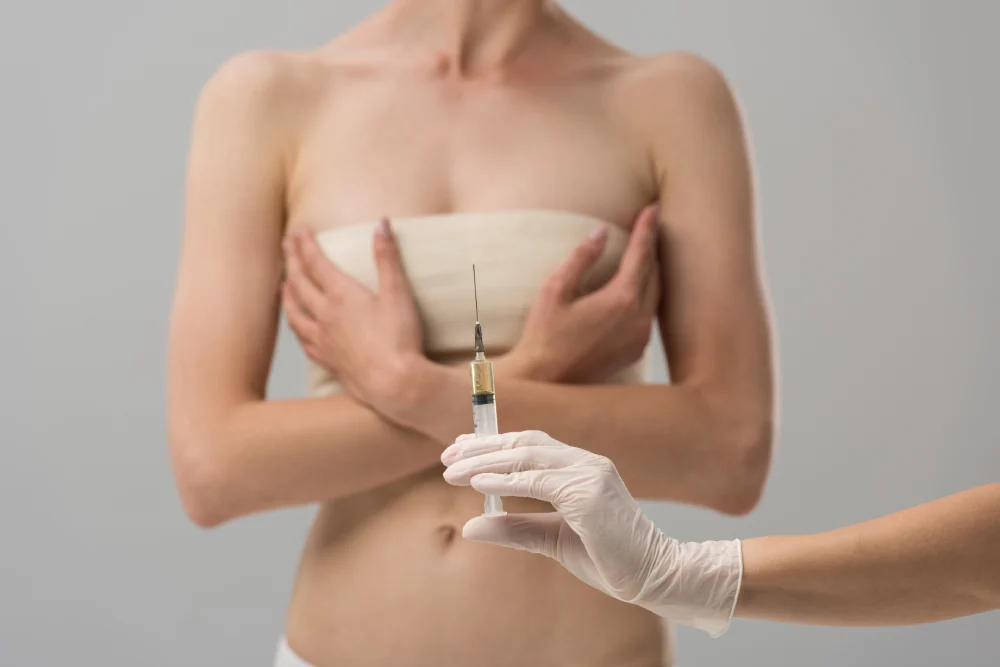
Breast reduction surgery usually takes place under general anesthesia. You will not feel any pain during the procedure. Your care team will monitor your condition and instruct you on how to prepare for surgery. The procedure would be explained to you beforehand, so that you know what to expect.
Removing Extra Tissue
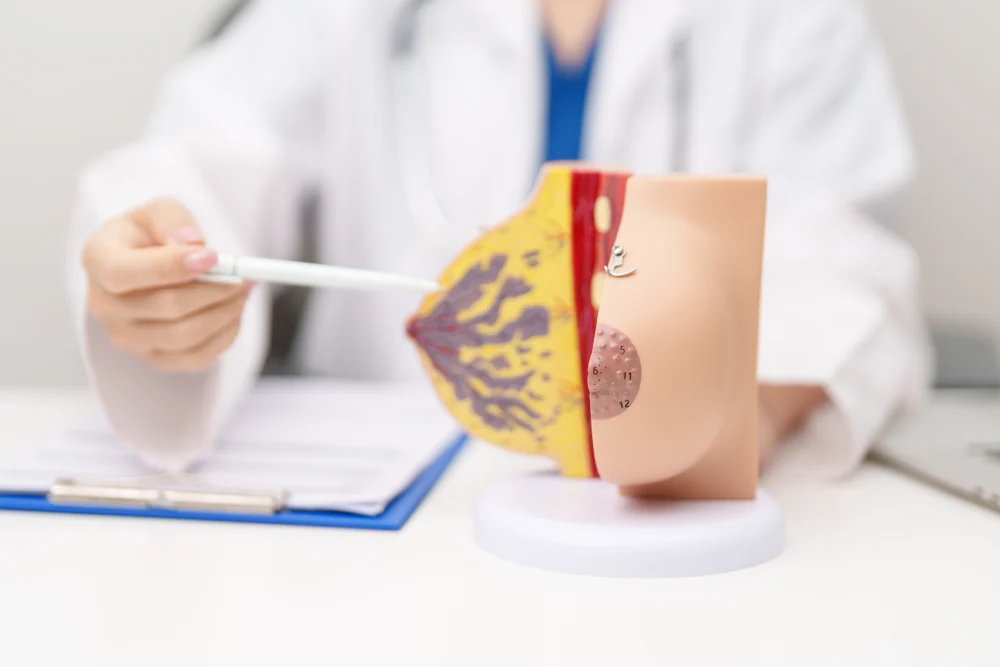
During breast reduction surgery, the surgeon will remove excess breast tissue, fat, and skin. This will help in reducing both the size and weight of the breasts. However, the amount removed is different for every patient. It depends on your breast size, your overall health, and your treatment goals.
Reshaping the Breasts
Once the extra tissues are removed, the next step would be to reshape the breasts to create a smaller and a more balanced shape. The aim here is to shape your breasts to fit your body, ensuring their size or weight is not causing you any discomfort.
Repositioning the Nipples
Since your breasts are changing in shape, the surgeon might move the nipples and areolas to a higher position to match the new breast shape. The method would vary from patient to patient. The ideal positioning would depend on your breast size, the amount of removed tissue, and your aesthetic needs.
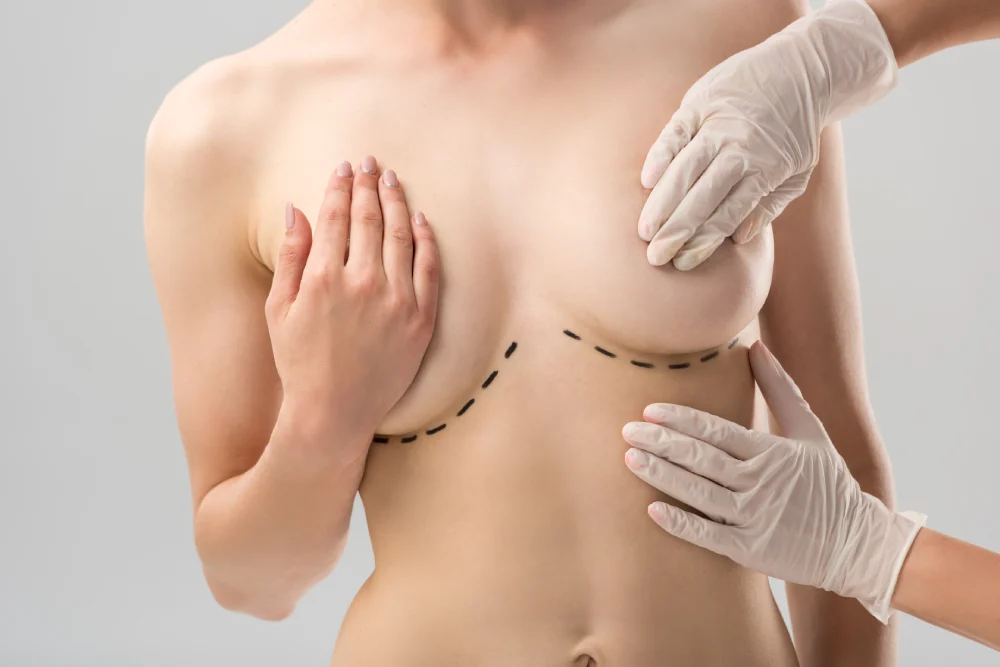
Incision Options
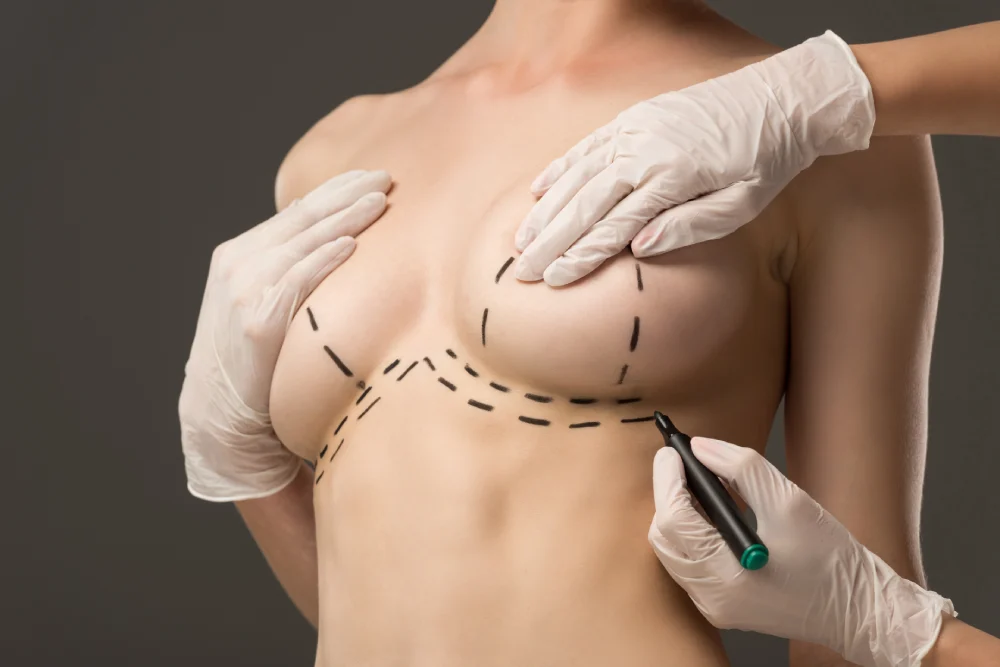
The incision pattern depends on how much tissue is removed and how much the breast needs lifting.
Anchor (inverted-T): around the areola, down to the crease and along the crease. Used for larger reductions.
Vertical (“lollipop”): around the areola and straight down. Used for moderate reductions.
Periareolar: around the areola only. Used for small reductions.
Dr. Morales will show you where your scars will sit before surgery.
Do your breasts sag? There are patients with sagging breasts who want to lift the shape without reducing their breast size. For them a breast lift alone may be a good choice. It might lift your breasts without removing much breast tissue.
Dr. Ramiro Morales can help you choose the right procedure.
If your main concern is sagging rather than size, learn more about breast lift in Miami.
Does Breast Reduction Surgery Fall Under Insurance Coverage?
Your insurance company may check if breast reduction is medically needed. This might mean you need records of ongoing pain caused by heavy breasts. Some plans may also ask if you have tried other treatment procedures such as physical therapy to ease the pain.
Each insurance company has its own set of rules for breast reduction coverage. Check your policy to learn what your plan covers. If you are looking into breast reduction insurance coverage in Miami, a consultation may help you understand your options.
Breast Reduction Recovery Timeline
Recovery after breast reduction typically takes time, and each person would heal at a different pace.
Days 1–3
First Days
You may have swelling, bruising, and soreness in your breasts. Rest, take your medicine as directed, and wear your support bra as per your surgeon’s advice. Ask someone to help with the daily chores. Following Dr. Ramiro Morales’s care instructions can help you heal and return to your daily routine.
Weeks 1–2
Early Healing
Swelling and soreness should start to improve. You may be able to start doing light tasks but it would depend on how you feel and the type of work you do. Avoid lifting anything heavy, and as far as driving and going back to work is concerned, follow your surgeon’s advice.
Weeks 3–6
Returning to Daily Tasks
You may feel more comfortable as healing continues. Your surgeon will tell you when you can walk longer, return to work, and start light exercise. Keep wearing your support bra for as long as advised. If you are unsure about anything regarding chores or an activity, do reach out for guidance.
Weeks 6–8
Resuming More Activities
Swelling and soreness may continue to improve as you heal. You can gradually return to more physical activities, depending on your recovery and Dr. Morales’s approval. Do not stop wearing your support bra without informing him. Avoid strenuous exercise or heavy lifting until your surgeon confirms it is safe to resume these activities. Follow all post-operative instructions carefully.
3–6 Months
Seeing Your Results
Swelling should continue to settle, and your breast shape may become clearer. Scars can slowly fade over time. Healing takes time, and following the care routine is also essential. Keep attending follow-up visits and follow your surgeon’s advice as you return to your usual activities.
Male Breast Reduction (Gynecomastia) in Miami
Gynecomastia is a condition that makes a man’s breasts larger on one or both sides of the chest. Male breast reduction in Miami can give you a flatter chest. It may involve liposuction to remove excess fat, surgery to remove firm gland tissue, or both.
Why Patients Choose Dr. Morales for Breast Reduction
Dr. Ramiro Morales, MD, F.A.C.S., is certified by the American Board of Plastic Surgery and has more than 27 years of experience. Breast reduction is one of the key surgical procedures he performs.
He would assess your requirement, your breast size, body shape, and would recommend options that fulfill your needs. He will explain the surgical options, and discuss incision placement, scars, and recovery before surgery. Expect:
A treatment plan based on your needs and goals
Guidance on breast size and shape
A clear explanation of incision options and scars
Support through each step of your surgery and recovery
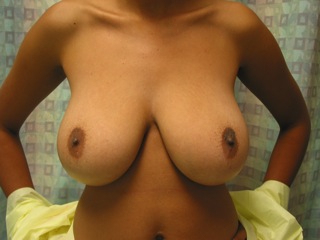
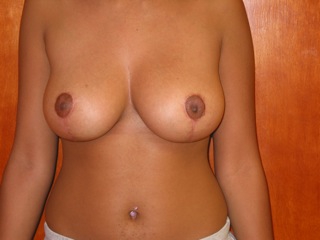
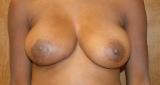
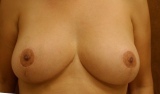
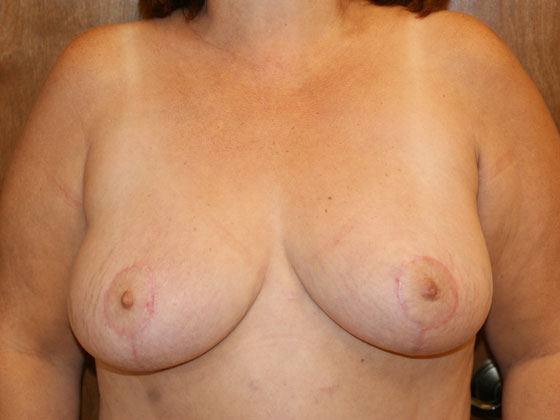
Individual results may vary. All photos are of actual patients of Dr. Ramiro Morales.
Frequently Asked Questions
Can you breastfeed after breast reduction?
It depends. It is possible that you may be able to breastfeed after your breast reduction surgery but it’s also possible you may find you just don’t produce enough milk. The reason is that surgery can change the breast tissue, the milk ducts and the nerves. If breastfeeding is something you hope to do later, bring it up with your surgeon before the surgery.
How much breast tissue is removed during breast reduction?
No set amount applies to everyone. Each person’s removal will be different. Dr. Ramiro Morales will take into account your breast size, level of pain and your goals for the procedure. If you’re using insurance, confirm with your provider any requirements before you proceed.
Will I have scars after breast reduction?
Any incisions made by the surgeon during your procedure will leave scars. The size and location of your scars depend on the type of surgery performed. While these scars will most likely fade away with time as your skin renews itself, they will never completely disappear, and your surgeon can advise you on how to take care of them post-surgery so that they heal correctly.
When can I exercise again after breast reduction?
Gentle walking is encouraged soon after surgery. Running, heavy lifting and hard workouts need to wait until Dr. Morales clears you, which depends on how well you heal and the type of exercise.
Can breasts grow back after breast reduction?
After surgery, breasts can still become larger or change shape. This can happen with weight gain, pregnancy, hormonally related changes and as we age. Surgery does remove tissue, yet it has no way of preventing later changes. A steady weight may help you maintain your results.
How long does breast reduction surgery take?
It depends on how much tissue is removed and the incision technique used. Dr. Morales will give you an estimate at your consultation.
Schedule Your Breast Reduction Consultation in Miami
Ready to take the next step? Schedule a consultation to discuss breast size, surgical options, and what to expect before and after surgery.